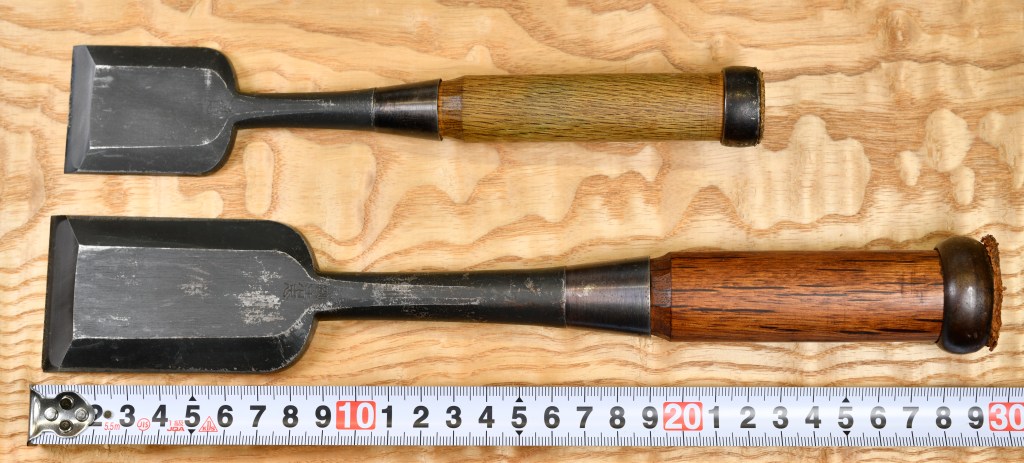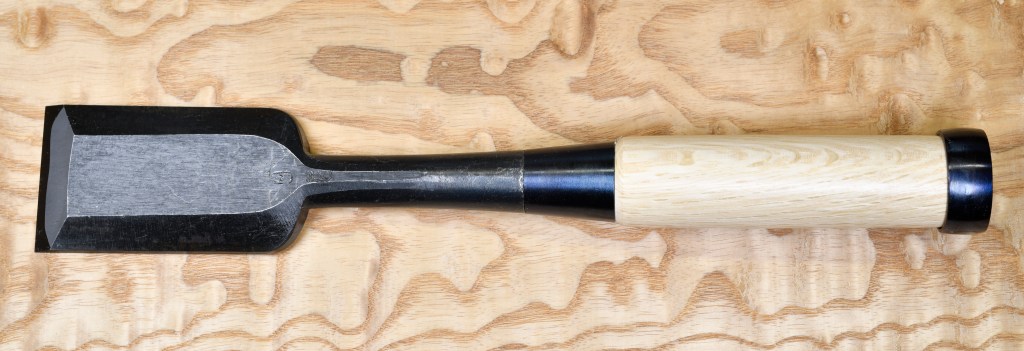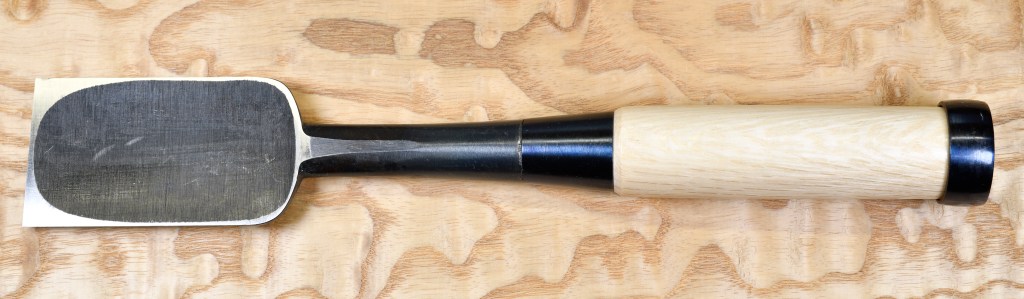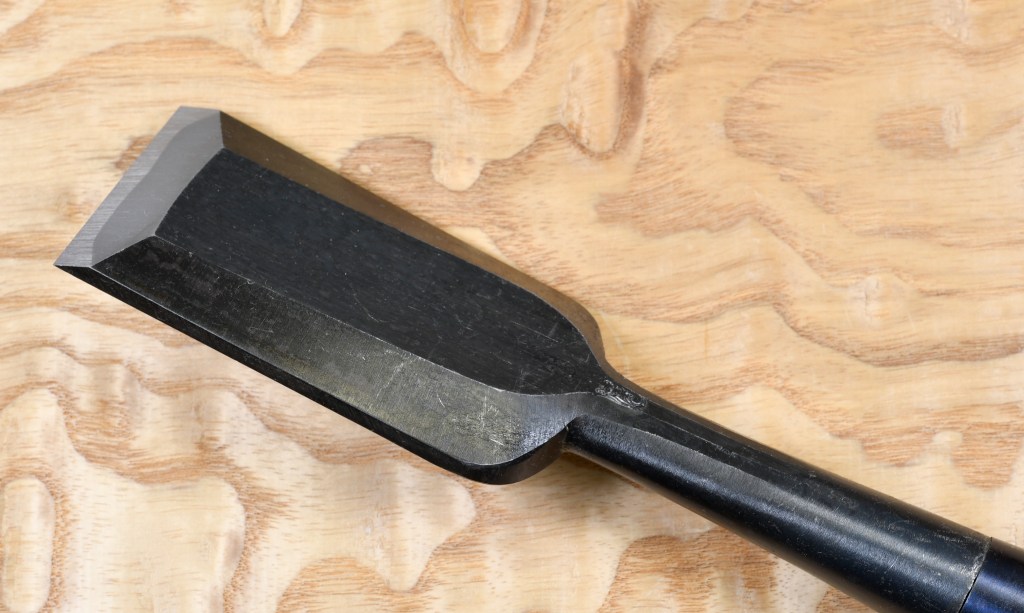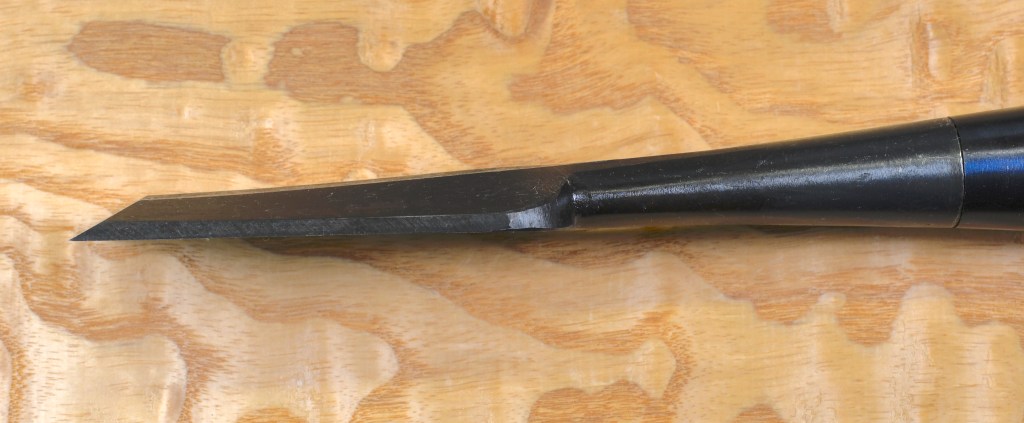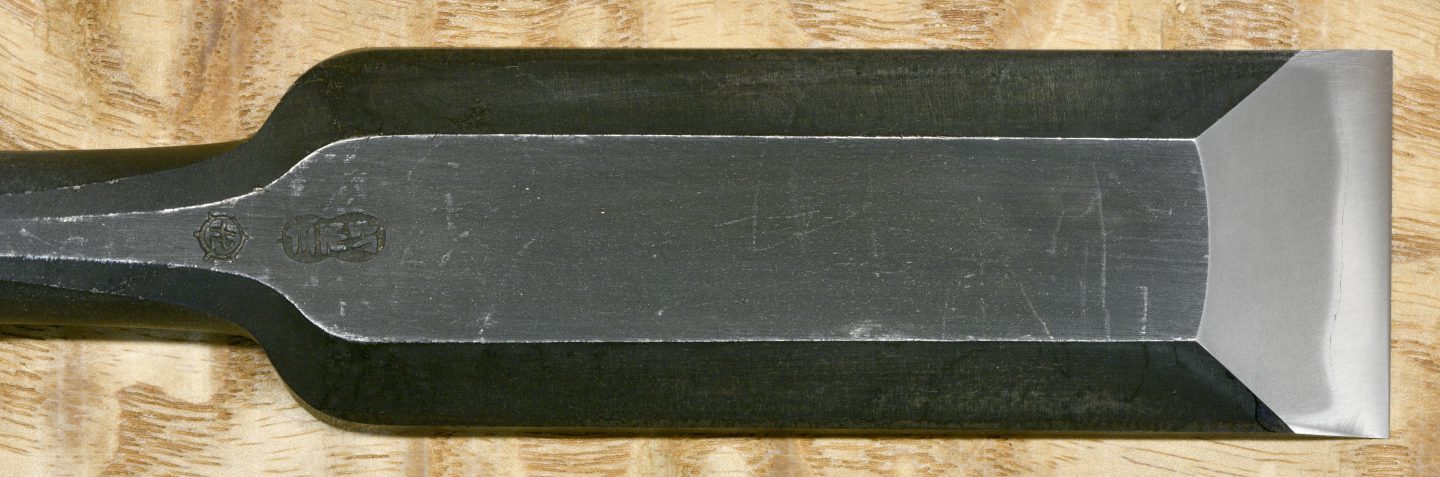

Sharpening Part 2 – The Journey

You don’t have a soul, Doctor. You are a soul. You have a body, temporarily.” 

Walter M. Miller Jr., A Canticle for Leibowitz

Life is neither a dead-end course nor a race, but a hard journey along many paths all leading to a single gateway. Without exception, all the physical things, possessions, financial wealth, qualifications, status, accomplishments and accolades we value and struggle like fevered demons to obtain and preserve in this life, even our own bodies, will all return to shadows and dust. What truly matters are the friends and family that journey with us, the kind deeds we do, the joy we share, the things we experience and learn along the way, and most importantly, the quality of our souls at the journey’s end, for these are all that will pass through that last gateway into eternity with us; Nothing else matters a handful of beans.

Woodworking can be a wonderful diversion and even a source of joy during this journey, one that can make our lives and the lives of those around us more pleasant. For many it is a way to keep body and soul connected. For those that rely on their tools to feed their families, the efficiency of that work, and the joy they find in doing it are not trivial matters.

Thoughtful woodworkers on this path learn early that dull tools are an impediment to making excellent wooden products regardless of the skill of the hand and eye that manipulates them, because, being an extension of the user’s mind and hands, a dull tool will often darken the mind and leaden the hand of even an accomplished woodworker.

Sharpening has always been the most important woodworking skill. It is no coincidence that for millennia the first thing apprentices were taught once they were permitted to handle valuable tools was how to sharpen them properly.

In our time the prevalence of machinery with built-in precision and spinning cutters driven by motors and sharpened by others has made it possible for those lacking even basic sharpening skills to represent themselves as craftsmen. Although they may be skilled, I believe such individuals are less craftsmen in wood and more machinery operators.

Those thoughtful souls who aspire to become accomplished woodworkers, and not just machine operators, need minimal sharpening skills. Untold thousands of years of human history verify the truth that all other woodworking accomplishments flow from this bedrock skill.

I believe, perhaps because the men I learned from and respected also believed, that free-hand sharpening is the way a skilled craftsman maintains his tools. My experience and observations over many years have confirmed the efficiency of this technique. It is consistent with my work-driven philosophy about sharpening which I will explain in more detail in the next post in this series.

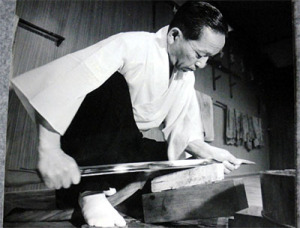
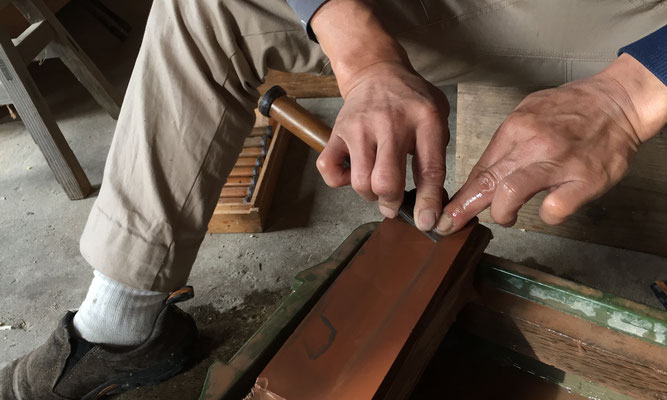
Sharpening a blade free-hand is a zen-like activity. It requires observation. It requires muscle memory. It requires consistency. It requires composure. It requires meditative focus. And at the pinnacle, it requires one to feel and hear work being done in a place one cannot see, a place where destruction creates order; where nothing becomes something.

Some will disagree with my beliefs about free-hand sharpening, especially the machinist-types, the scribblers and gurus promising instant results in a few hours for the price of a book, DVD, or class, and the purveyors of sharpening jigs disinclined to work without “training wheels.” No mystery there, so I won’t even try to please everyone, just professional woodworkers.

When professional woodworkers gather in the presence of edged tools, they often talk about sharpening techniques and rare stones, and they are always curious about the quality of other men’s tools. In Japan, it is considered rude to pick up another’s tools and examine the edges, or even to look at them too hard, but the desire is always there nonetheless because it is human nature to compare oneself to one’s peers. 

Indeed, much can be learned about a man’s quality standards and his skills from his blades. Perhaps the condition of one’s tools gives a tiny glimpse into the owner’s character.

What do your tools say about you? Some are terrible gossips, you know. (ツ)

The journey will continue in Part 3.

Allow me to end this article with a quote from the best-selling book of fiction in human history:

End? No, the journey doesn’t end here. Death is just another path. One that we all must take.

J.R.R. Tolkien, The Return of the King

YMHOS

Tianmen Gate, China. 999 steps to the natural gateway above.

If you have questions or would like to learn more about our tools, please click the “Pricelist” link here or at the top of the page and use the “Contact Us” form located immediately below.

Please share your insights and comments with everyone in the form located further below labeled “Leave a Reply.” We aren’t evil Google or fascist facebook and so won’t sell, share, or profitably “misplace” your information. If I lie may I never finish the journey.

← Back

Thank you for your response. ✨

Please Leave a Reply

Sharpening Japanese Woodworking Tools Part 1: Introduction

Hidari no Ichihiro Mentori Oiirenomi

It is well with me only when I have a chisel in my hand

Michelangelo 1475-1564

This is the first in a series of 30 articles that describe the sharpening procedures your humble servant uses and recommends for Japanese plane and chisel blades. Links to the other 29 articles are located at the end of this one.

The purpose of these articles is to share with our Beloved Customers reliable techniques for sharpening and maintaining the tools we sell consistent with standard practice among advanced Japanese professional woodworkers.

Each article in this series describes separate but related aspects of sharpening Japanese woodworking tools, especially chisels, plane blades, and kiridashi knives. While 30 articles sounds like a lot, it is certainly not enough to cover all details of this first and most important woodworking skill. No doubt Beloved Customer could add chapters based on your own experiences.

If it seems less than concise, please understand that it is written with enough detail so even the first-time sharpener can benefit from it, but with enough advanced techniques to stimulate the interest of even jaded professionals.

Of course, if I wrote only for the professionals, then those new to the process would be left confused and frustrated. Likewise, if I wrote only for Beloved Customers new to sharpening Japanese tools, then the professionals reading it would begin to make snoring noises (highly intelligently, of course). I hope you can appreciate the conundrum and forgive the resulting compromises.

Unlike most of what is available on the internet, these techniques are not based on irresponsible rumors expounded as fact in smelly, troll-infested forums, articles in magazines written by self-educated journalists, or silly videos on NoobTube.

I didn’t invent the techniques described herein, but they are nonetheless my techniques, the results of hard experience working with, and lessons learned from, professional craftsmen in Japan over a period of some 30 years, sometimes working as a professional woodworker, and other times working as an employee of two of Japan’s largest “super” general contractors.

This series of posts has 4 objectives: To save Beloved Customer (1) time, and (2) money, and to make your Japanese blades (3) sharper, and (4) cut longer. These benefits are worth obtaining if you are serious about woodworking, as professional woodworkers must be, but the requisite attention to detail and manual skills may not come easily to some. 

Indeed, you may need to unlearn bad habits, and develop new habits, skills and muscle memory in order to achieve these objectives. This is not a 90 minute process but will take weeks, maybe months. It certainly took me years to completely unlearn my bad habits and develop the necessary skills. I am confident these writings will make the process more efficient for you, if you follow them. I only wish I had the benefit of this information all in one place back in the day.

Of course these are not the only viable solutions available. Many woodworkers are self-taught nowadays and learn how to sharpen from books, magazines, videos, and classes, and have developed methods that work well for them. I am not minimizing those successes, merely proposing methods to further advance their skills.

However, be aware that several of the techniques described herein may directly contradict the teachings of the Holy Woodworking Gurus oozing virtue received from the Giant Pixie and who make a living scribbling, making videos, and teaching classes about woodworking.

These guys achieve popularity and financial success by helping amateurs get better results quickly after reading only a few pages in their $29.99 book, or attending their 2-hour class. To maintain their popularity and income, the techniques some (but not all) of them promote must be dumb-as-dirt simple, and often involve shortcuts and gimmicks yielding “instantaneous gratification,” without the need to learn real skills. Nothing wrong with that, but is it good enough for you?

Unlike amateurs satisfied with superficial results, professionals need real skills that yield consistent results long-term. 

e0248405_1553630.jpg

Don’t be shocked, but I am not offering 90 minute gratification in exchange for your money. 

There are no “sponsors “of this blog. There are no advertisements, period, so this blog generates no direct income.

I have no “click goals, ” or “SEO strategy” to deploy; I don’t care if you “like” me, “subscribe” to my BoobTube channel (I don’t have one), or buy access to my online tutorials (don’t do those either). In fact, this website doesn’t require you to register, it doesn’t use Google Analytics, it doesn’t embed cookies in your computer or attempt to mine your data in any way.

The advice I offer is free, but if you prefer gimmicks to lifetime skills, the techniques described here are not for you. I am sure such Gentle Readers can find some brightly-colored bubble-wrap to keep themselves entertained.

Do I have a profit motive? Nope, this information is free. I am not a sneaky corporate shill trying to sell books, magazines, videos, video games, advertising space, banners, VPN services, home security systems, sharpening stones, or heaven forfend, powertools with laser sights. I have never been lent or given a tool in exchange for a review, nor have I been wined, dined, laid or paid to write good things about crappy tools. 

Over the years, my professional needs and curiosity led me to purchase literally hundreds of planes and chisels made by many blacksmiths and companies. The operative word here is “purchased.” With my own money. Not a single one was ever given or loaned to me. Some I later sold, the good ones I kept. The two points I want to make are: (i) I put my money where my mouth is; and (ii) I have no financial conflict of interest.

I have several motivations for writing and sharing this information. One is selfish convenience. Over the years, people have asked me how to sharpen Japanese tools, and I have explained the process in letters, emails, and in person many times. This series of articles is essentially a collection of my scribblings on the subject over several decades, and is intended to save me time explaining processes.

Another motivation is to ensure that the people who buy the small number of hand-forged tools we sell (our “Beloved Customers”) know how to properly sharpen and maintain them, so that those tools will provide long, productive, high-performance service. Our tools deserve to be properly maintained.

Some who experience difficulties with Japanese woodworking tools blame the tools, but in many cases the problem lies not in defective tools but rather stems from an insufficient understanding of basic sharpening principles and lack of experience. Without exception everyone with aspirations to be an excellent woodworker must go through that learning process at least once. Your humble servant hopes these scribblings will enlighten more than confuse.

But my primary motivation for making this series of articles available at no cost is to fulfill a promise I made to freely share with others the techniques I learned from the many carpenters, joiners, blacksmiths, tool makers and professional sharpeners in Japan who taught me. In exchange for this free information all I ask of you, Beloved Customer, is an open mind and eager hands. Please, don’t cut either of them.

The adventure will continue in Part 2! But be forewarned, the price of admission may double. (ツ)

YMHOS

If you have questions or would like to learn more about our tools, please click the “Pricelist” link here or at the top of the page and use the “Contact Us” form located immediately below.

Please share your insights and comments with everyone in the form located further below labeled “Leave a Reply.” We aren’t evil Google, fascist facebook, or thuggish Twitter and so won’t sell, share, or profitably “misplace” your information. If I lie may the bird of paradise fly up my nose.

← Back

Thank you for your response. ✨

Please Leave a Reply

The Varieties of Japanese Chisels Part 11 – The Tsuba Nomi Guard Chisel (鍔鑿)

“The beginning of wisdom is to call things by their proper name.”

Confucius

The “Tsuba” in Tsuba Nomi is the Chinese character 鍔 which means “guard” as in a sword or knife guard.

Two nubs attached to opposing sides of the blade just below the handle look like the guard for a knife or sword. This chisel is driven with a hammer to quickly create a pilot hole for nails or screws. The blade becomes tightly wedged into the wood, but by striking up on these projections with a steel hammer, the blade can be extracted.

An old traditional Japanese boat made with tusbanomi chisels and nails.
Three styles of tsubanomi, and using a mallet to remove the blade after cutting a nail hole

This unique chisel comes with blades with round, square, or rectangular cross-sections.

Square and rectangular blades usually have a chisel-point beveled on two sides, but sometimes are beveled on just one side. Round blades may have simple pointed ends, but sometimes they have short triple tines to drive the crushed wood fibers into the hole.

While this chisel severs the wood fibres, unlike an auger, drill, or gimlet, it does not remove material from the hole. The ends of the severed fibers are angled down into the hole, and over time and exposure to humidity and water, will partially swell back to their original shape locking nails in tightly.

This chisel is still used in the wooden shipbuilding industry, but other than that sees very little practical use nowadays. Your humble servant owns one but has never used it in anger.

YMHOS

If you have questions or would like to learn more about our tools, please click the see the “Pricelist” link here or at the top of the page and use the “Contact Us” form located immediately below.

Please share your insights and comments with everyone by using the form located further below labeled “Leave a Reply.” We aren’t evil Google, fascist facebook, or thuggish Twitter and so won’t sell, share, or profitably “misplace” your information. If I lie may every nail I touch bend in half.

← Back

Thank you for your response. ✨

The Varieties of Japanese Chisels Part 9 – The Uchimaru Nomi Gouge (内丸鑿)

Carving a wagatabon container using an uchimaru gouge

“A good tool improves the way you work. A great tool improves the way you think.”

Jeff Duntemann

The Uchimaru Nomi is a gouge, very much like those seen in the West

The name is composed of 3 Chinese characters (kanji): 内 pronounced “uchi “which means “ inside” or “interior,” 丸 pronounced “maru” which means “round,” and 鑿 “nomi” which means chisel.

This gouge has a blade very similar in cross section to its Western counterpart, but unlike Western gouges, it is made of laminated steel, has the combined tang and ferrule construction typical of Japanese chisels, and a crown to reinforce the handle and protect it from violent hammer blows. These are strong chisels used by carpenters to carve large-scale architectural components, and sculptors.

They come in different sizes and sweeps, although not as many as the Swiss make. Some are the size of typical oiirenomi bench chisels; others are the size of the larger heavy-duty atsunomi.


As you can see, these blades are are not hollow-ground.

The relatively hard layer of steel which forms the cutting edge is often subjected to more lateral forces when carving than their straight-bladed cousins, and are sometimes damaged as a result. Professional carvers will hold the thin cutting edge over a small candle flame to reduce the hardness over a small area to reduce this tendency. Your humble serrvant is not recommending this practice, just conveying information.

The technique used for sharpening Japanese gouges is identical to their Western counterparts. To sharpen the outside bevel, typically one will use dedicated sharpening stones with grooves worn into them that are slightly greater than or equal to the radius of the gouge. One removes the burr and polishes the inside curve by using a short stone with a radiused edge.

A piece of leather charged with polishing compound can be used to put a final polish to the bevel. One can also bend this piece of leather to polish the gouge’s inside surface. Easy peezy.

Standard sizes are 9mm, 12mm, 15mm, 18mm, 24mm, 30mm, 36mm, and 42mm.

There are also uchimaru gouges made as paring chisels, with longer blades and handles, slimmer necks, and without crowns.

If you need a gouge that that can hog a lot of wood, will take an exceptionally sharp edge and will maintain it a long time, then this is a tool you should consider.

In the next post, we will look at a different type of gouge, one you may not have seen before.

YMHOS

If you have questions or would like to learn more about our tools, please click the “Pricelist” link here or at the top of the page and use the “Contact Us” form located immediately below.

Please share your insights and comments with everyone in the form located further below labeled “Leave a Reply.” We aren’t evil Google, fascist facebook, or thuggish Twitter and so won’t sell, share, or profitably “misplace” your information. May I gag on a hairball if I lie.

← Back

Thank you for your response. ✨

The Varieties of Japanese Chisels Part 8 – The Atsunomi (厚鑿)

30mm Atsunomi by Hidari no Ichihiro

“Along with the milk of my nurse I received the knack of handling chisel and hammer, with which I make my figures.”

Michelangelo

In a previous post, we looked at various types of oiirenomi (bench chisels) and mortise chisels. In this post we will examine a type of tatakinomi called the “Atsunomi.”

DESCRIPTION

The ”Atsunomi, ” written 厚鑿, translates to “thick chisel.” This is the largest variety of tatakinomi readily available nowadays and is almost identical in design to its more petite oiirenomi sisters, but being larger, longer, heavier and stronger it is able to transmit and endure the impact forces of heavy hammer blows from sunup to sundown to cut a lot of wood. Indeed, I can remember times when the handles of my atsunomi in the photographs on this page became seriously hot after long hours of heavy hammer blows.

The 24mm chisel in the photograph below was the first atsunomi I owned, and has seen hard use with heavy hammers, but has held up well.

24mm Atsunomi by Kiyotada (Japanese White Oak handle)

If I can liken the bench chisel or oiirenomi to a 1/4″ cordless drill, then the atsunomi is a 9 amp 1/2″ corded drill (when combined with the right steel hammer). Serious business indeed.

APPLICATIONS

The atsunomi is ideal for heavy work such as timber framing and wasting large amounts of wood quickly. However, carpenters are not the only trade to use them. Many professional craftsmen in Japan, even those that never work on construction sites, prefer to use atsunomi even for delicate work because of their relatively longer blades, greater durability, and cost-effectiveness.

Because of its greater size and weight, the atsunomi is not as nimble as the smaller varieties of tataki nomi and demands the user to have greater strength and skill. But on the other hand, it’s very stable in the cut, and wastes wood with impressive gravitas.

A comparison of a 42mm oiirenomi (top) and a 54mm atsunomi (bottom) by Kiyotada. The atsunomi is longer, thicker and stronger in every way.

As with all tataki nomi, the handle is big enough to use with one hand, but not two. Atsunomi always have a mild steel katsura crown installed at the end of the handle to reinforce it and prevent it from splitting under hammer blows.

Standard widths for atsunomi are: 12㎜, 15㎜, 18㎜, 21㎜, 24㎜, 30㎜, 36㎜, 42㎜, 48㎜, 54㎜.

There are several varieties of atsunomi, some with very wide blades and others with very long necks, but I will not go into that level of detail in this post.

In Part 9 of this saga of romance and derring-do, we will examine the Uchimaru Nomi.

YMHOS

48mm Sukemaru atsunomi w/ Japanese white oak handle. A serious tool for serious work

© 2021 Stanley Covington All Rights Reserved

If you have questions or would like to learn more about our tools, please click the “Pricelist” link here or at the top of the page and use the “Contact Us” form located immediately below.

Please share your insights and comments with everyone using the form located further below labeled “Leave a Reply.” We aren’t evil Google, fascist facebook, or thuggish Twitter and so won’t sell, share, or profitably “misplace” your information. If I lie, may all my chisel’s uras dissapear.

← Back

Thank you for your response. ✨

Please Leave a Reply

The Varieties of Japanese Chisels Part 6 – The Mortise Chisel (Mukomachi Nomi 向待鑿)

12mm Mortise Chisel – Sukezane (Shoulder View)

The best carpenters make the fewest chips.

~English proverb, c.1500s

Japanese mortise chisels are called “Mukomachi Nomi” 向待鑿. I am unsure of the origin of the name, but the Chinese characters can be read as meaning “wait over there.” A curious name, it may refer to the shape of the transition from blade to neck, called a “machi” which is unique in Japanese chisels. Your humble servant will simply call them “mortise chisels.”

DESCRIPTION

12mm Mortise Chisel – Sukezane (Ura View)

Mortise chisels are single-purpose tools for cutting rectangular holes in wood for mortise and tenon joints, the oldest recorded wood joint known.

Unlike other Japanese chisels, and even Western mortise chisels, the sides of the Japanese mortise chisel are shaped square to the “flat” instead of being angled slightly less than 90 degrees. The surfaces of the sides are of course straight along their length, but are either flat or slightly hollow across their width.

Other varieties of chisels have sides angled inwards to prevent the chisel from binding in the cut. This is less than ideal, however, when cutting small mortises because it allows the chisel to twist inside the mortise scoring the sides and reducing precision. The Japanese philosophy is that the blade’s sides should shave and clean the mortise at the same time it is cutting it so the sides don’t require additional cleanup with a paring chisel. Its a matter of precision and efficiency.

The straight flat sides of the mortise chisel have a relatively larger surface area that can create a lot of friction in the cut making extraction difficult in some cases, so the standard maximum width is 15mm.

Many advocate using double bevel cutting edges for Western mortise chisels. I have no problem with double bevels for atsunomi used to cut wide, deep mortises because the double bevel tends to kick more waste out of the mortise hole than a single flat bevel, although double bevels are more trouble to sharpen. But in the case of the standard Japanese mortise chisel, I recommend using a simple flat bevel for two reasons:

The first reason is that, since sharpness is critical for precise work, and a flat bevel is quicker and easier to sharpen, a flat bevel is more precise.

The second reason is that a flat bevel tends to stabilize the chisel in the cut more than a double bevel blade can, keeping it from twisting out of alignment and gouging the sides.

The lubrication provide by an oilpot makes using a mortise chisel quicker and the final product cleaner and more precise. Please see my previous post on the subject. https://covingtonsons.home.blog/2019/05/09/the-essential-oilpot/

APPLICATIONS

The mortise chisel is a specialist chisel for joinery, cabinetmaking and furniture work. It is not generally used by carpenters. Craftsmen that routinely use mortise chisels work to much tighter tolerances than most woodworkers, so a professional-grade mortise chisel must be forged and shaped to tighter tolerances than other chisels.

I only have one blacksmith with the skills and attention to detail required to make mortise chisels to my specifications. He thinks I’m a prissy pink princess. I think he’s a stubborn old fart. We’re like an old married couple(ツ).

If you need to cut lots of precise mortise holes quickly, then this tool will definitely improve your results and increase your satisfaction. It may not be the most handsome chisel in your toolchest, but you will come to rely on it more than any other for quality joinery work.

Standard widths for mortise chisels are 3mm, 4.5mm, 6mm, 7.5mm, 9mm, 12mm, and 15mm, but Sukezane won’t make 15mm mortise chisels for me anymore, dagnabit.

More than any other, mortise chisels are subtle, intelligent beasties, or at least they can be. I will talk more about what to look for in a good mortise chisel, as well as how to realize their Einstein-like focus to help you do better work, in future posts.

For more information about mortise chisels, please see our series on the subject beginning with “The Care and Feeding of the Wild Mortise Chisel – Part 1.”

YMHOS

If you have questions or would like to learn more about our tools, please click the see the “Pricelist” link here or at the top of the page and use the “Contact Us” form located immediately below.

Please share your insights and comments with everyone in the form located further below labeled “Leave a Reply.” We aren’t evil Google, fascist facebook, or thuggish Twitter and so won’t sell, share, or profitably “misplace” your information. If I lie may mortise chisels all turn to rubber.

← Back

Thank you for your response. ✨

The Varieties of Japanese Chisels Part 4 – Kakuuchi Oiirenomi (角打追入鑿)

Kakuuchi Oiirenomi by Hidari no Ichihiro (Hyotan mark)

“Do not wait; the time will never be “just right.” Start where you stand, and work with whatever tools you may have at your command, and better tools will be found as you go along.”

George Herbert

The oldest style of oiirenomi currently available nowadays is called the ”kakuuchi oiirenomi” (角打追い入れ鑿)which means ”square-forged oiirenomi,” referring to the squarish shape. In cross section, the blade is rectangular with 4 more-or-less square outside corners. Other than this cross-sectional detail, it is identical in appearance to the mentori oiirenomi we discussed in my earlier post here.

DESCRIPTION

Where the Shinogi Oiirenomi in the previous post is thin and light, the Kakuuchi Oiirenomi is bulkier and heavier. They are also stiffer in the blade and even in the neck, which can be an advantage in narrower widths.

This added stiffness is not due to the extra mass of metal alone, but also to the fact that the steel layer is wrapped further up the blade’s sides than is possible for the thinner beveled sides of the mentori oiirenomi, as you can see in the photos above. Wrapping the high-carbon steel cutting layer up the blade’s softer low-carbon steel sides in this way creates in effect a hardened steel “U” channel with an increased moment of inertia, which makes the blade much stiffer. The thicker the chisel’s sides, and the deeper the U channel, the stiffer the blade will be.

The U-channel construction of Japanese chisels is a clever but subtle structural detail unique in the universe of chisels and one few are aware of.

Carving chisels do not have this U-channel detail and therefore are not as stiff or as tough as chisels that do. When you are considering buying a chisel, this is an important feature to confirm.

This style of chisel is better suited to cutting mortises than mentori oiirenomi (beveled oiirenomi), not simply because they are stronger, but because the squarer side edges tend to keep the blade better aligned in the mortise hole leading to a cleaner cut with a little less effort, especially in contrary wood.

The following are some pictures of two of our Kakuuchi Oirenomi by Nagamitsu, hand-forged, of course, from Hitachi Yasugi Shirogami No.1 Steel (aka “White Steel).

36mm Kakuuchi Oiirenomi by Nagamitsu (face)
36mm Kakuuchi Oiirenomi by Nagamitsu (ura)
36mm Kakuuchi Oiirenomi by Nagamitsu (Side)
12mm Kakuuchi Oiirenomi by Nagamitsu (Face). This was the standard shape of Japanese chisels until about 70 years ago when the mentori variety became popular. Please notice how the angle between the face (surface with brand) and right and left sides is more or less 90˚.
12mm Kakuuchi Oiirenomi by Nagamitsu (Ura)
12mm Kakuuchi Oiirenomi by Nagamitsu (Side)

Kakuuchi chisels take less time for a blacksmith to shape than the mentori oiirenomi we discussed in Part 2 of this series. The difference in shaping these two styles of chisels is the added step of grinding the extra bevels that make the mentori oiirenomi sleeker.

Indeed, most styles of Japanese chisels can be obtained with a kakuuchi cross section, including the oiirenomi version shown in my previous post, as well as atsunomi and usunomi chisels we will examine in future posts.

Kakuuchi-style chisels take a little more effort to sharpen because the area of the bevel is larger, and more significantly, the area of the hard steel layer is greater, but on the other hand, they feel more stable on the stones.

More than a preference for greater weight, stiffness and stability, I suspect most individuals who prefer this old-fashioned style of chisel are making a fashion statement, something like “brogues not oxfords,” if I can adapt a movie quote.

In my opinion, they are not quite as elegant in appearance nor as handy as either the mentori oiirenomi or shinogi oiirenomi referenced in previous posts, but they do have undeniable dignity and presence.

What do you think?

YMHOS

If you have questions or would like to learn more about our tools, please click the see the “Pricelist” link here or at the top of the page and use the “Contact Us” form located immediately below.

Please share your insights and comments with everyone in the form located further below labeled “Leave a Reply.” We aren’t evil Google, fascist facebook, or thuggish Twitter and so won’t sell, share, or profitably “misplace” your information. If I lie may my dignity perish and my diapers leak.

← Back

Thank you for your response. ✨

Please Leave a Reply

The Varieties of Japanese Chisels Part 3 – The Shinogi Oiirenomi (鎬追入鑿)

Hidari no Ichihihiro Shinogi Oiirenomi Blade

“The best investment is in the tools of one’s own trade.”

Benjamin Franklin

The next variety of oirenomi we will look at is called the ”shinogi oiirenomi” (鎬追入鑿).


Shinogi Oiirenomi – Nagamitsu 長光

Shinogi (鎬) means ”ridge” as in the angled ridge of a rooftop or mountain. It is pronounced “she/noh/gee.” I believe the word was borrowed from the sword world where it refers to an angled ridge design on the back edge of Japanese swords (shinogizukuri 鎬造り). This detail is used not only in tatakinomi but in tsukinomi as well.

鎬が高い図
Two Angles of Sword Shinogi
日本刀の断面図
Blade Cross-section
View of Sword’s Shinogi and Hamon

Shinogi oiirenomi are beveled like mentori oiirenomi but are different in that the bevels extend all the way to the center line of the blade’s face creating a definite ridge. The thickness of the blade’s right and left edges is typically thinner than oiirenomi making it easier to get into tight corners.

I am very fond of this handy, lightweight style of oiirenomi and keep a 10pc set mounted to the inside of my toolchest’s lid.

The downside to this design is that the chisel blade loses some stiffness compared to other styles, so they are less than ideal for heavy-duty wood hogging.

Some call these ” umeki” or ” dovetail” chisels. Indeed, some blacksmiths will grind the bevels to a very thin edge for this purpose.

My blacksmiths will not create these thin edges for three reasons: First, shinogi oiirenomi are not all that rigid to being with, and thinning the sides further is inviting breakage. Second, warpage is especially difficult to control in thin cross-sections resulting in more rejects and increased costs. And third, people always cut themselves badly using chisels with sides made thin enough to actually fit dovetails. Neither my blacksmiths nor I want that responsibility.

Most umeki chisels do not have the thin sides most people expect.

If you need very thin, sharp sides, you should grind and polish the side bevels yourself. Don’t forget to keep a first-aid kit close by, one you can use with just one hand. Seriously.

Shinogi oiirenomi are available in the same widths as oiirenomi.

In the next post I will introduce an old-fashioned but still useful oiirenomi called the “kakuuchi oiirenomi.” Stay tuned.

YMHOS

If you have questions or would like to learn more about our tools, please click the see the “Pricelist” link here or at the top of the page and use the “Contact Us” form located immediately below.

Please share your insights and comments with everyone in the form located further below labeled “Leave a Reply.” We aren’t evil Google, fascist facebook, or thuggish Twitter and so won’t sell, share, or profitably “misplace” your information. May all my blades dull if I lie!

← Back

Thank you for your response. ✨

Please Leave a Reply

The Varieties of Japanese Chisels Part 1: The Main Categories

Ichimatsu Tsukinomi – Kiyotada

“Electrical tools are consumables, but handtools are as part of our bodies. Do not treat tools as just things, or as some recent invention. The shape of every tool was not decided recently, but over a long time.”

Nishioka Tsunekazu, Temple Carpenter in charge of the Horyuji and Yakshushiji Temple Restorations

There are many varieties of Japanese chisels, and most people, including Japanese, are confused by the meanings of their names, and their various applications. Your humble and obedient servant is neither historian nor archaeologist, but I have been using them for over 40 years both professionally and for the fun of it and like to flatter myself I know a bit about them. Perhaps this and future posts will help de-fuddle a little of the confusion out there.

In this first article in the series I will explain the components of Japanese woodworking chisels, and the two main categories. In later posts I will explain the various types of chisels included in these categories in some detail. But let’s begin with some language matters.

Terminology and Translation

I have used suitable English words if available, but for the most part, I have employed the Japanese terms converted from Kanji (Chinese pictogram characters) and Hiragana (phonetic Japanese characters) to the Roman letters used in most English-speaking nations. I apologize in advance if this causes consternation, but at least it will not add to the general confusion about these tools common among English speakers.

The word for “chisel” in Japanese is “nomi” (noh/mee 鑿). The Chinese character used to write this word is complicated, so it is normally converted to the phonetic hiragana letters as “のみ.” You will notice that nomi is part of every chisel’s name, so I will use it too.

Structure and Components of Japanese Chisels

The design of Japanese chisels are significantly more sophisticated in design than their Western counterparts, and for good reasons, but the basic components are generally the same. So let us examine the similarities and differences.

Blade and Neck Construction

42mm Hidarino Ichihiro Oirenomi – Face View
42mm Hidarino Ichihiro Oirenomi – Shoulder View

Traditional Japanese chisels have laminated blades with a body, neck and tang made of iron or very low-carbon steel that remains relatively soft during heat treatment.

A layer of high-carbon steel is laminated to this iron body beginning where the neck meets the flared shoulders and extending to the cutting edge. During the quenching process, this layer becomes very hard, typically 62~67 on the Rockwell C scale (Rc) versus the typical hardness of 58~60 Rc found in Western chisels. These two layers of metal are most visible at the bevel. The additional hardness of the steel layer has both advantages and disadvantages, depending on the crystalline structure of the steel after heat-treating and the skill with which the tool is used and maintained.

In the case of hand-forged (teuchi 手打) blades, this lamination is made by forge-welding the two types of metal over several heats using hammer, tongs, and anvil.

Make no mistake: European chisels were also fabricated using this technique before the advent of mass-produced inexpensive steel. Unfortunately, this once-universal excellent technique has been all but forgotten outside of Japan.

Materials & Process

The best professional-grade chisels are made of high-quality iron and the purest plain high-carbon steel. These ancient metals are difficult to work, being very sensitive to temperature and thermal shock and tending to warp and crack badly in less than experienced hands. Many alloys and processes have been developed over the last 70 years to make tool production more profitable using unskilled labor, but for simple cutting ability and ease of sharpening, nothing rivals this combination.

The blacksmithing process involves forge-welding the two types of metal to form a laminated blade, then shaping and hand-forging it over multiple heats, followed by carbon soaking and annealing, a coating of secret mud sauce after which the blade is heated to just the right temperature, and then subjected to multiple quenches followed by multiple temperings, a process that varies from blacksmith to blacksmith with each craftsman using different formulas and procedures. Of course, warpage must be compensated for by shaping a curve in the blade that straightens out during heat treatment. Learning these skills takes years of hands-on training from a young age under the eye of a master, and decades of dedication to quality. It certainly cannot be accomplished in a mass-production situation, much less by Chinese peasants or even CNC robots. The problem is that few but experienced craftsmen can tell the difference using Mark-1 Eyeball alone, and so fraud is common.

Mass-produced consumer-grade Japanese chisel are made from pre-laminated strip steel manufactured in steel mills by either cold-rolling or hot-rolling a layer of high-carbon steel to a layer of mild-steel. This material, called ” rikizai” (利器材)or ” fukugozai” (複合材)was originally developed for mass-producing inexpensive kitchen knives as a labour-saving material to reduce manufacturing costs.

Blades made from rikizai typically perform adequately for most consumers, but many professionals seek the higher performance of so-called ” fine-grain” steel’s smaller and more uniformly-distributed carbides as found in hand-forged, expertly heat-treated blades. Those who develop the skills necessary to discern the difference between such professional-grade and consumer-grade blades, can never be satisfied with the inferior tool.

Hollow-Ground “Ura”

Kiyotada Atsunomi ura

Japanese chisel blades have a hollow-ground back (the so-called ” flat” on Western chisels) which makes the harder steel layer easier to sharpen and keep flat. Without this hollow-ground ura feature you would find sharpening a simple, planar chisel blade of similar hardness time consuming and almost impossible to keep flat over many sharpenings.

Tang and Ferrule

Japanese chisels appear at first glance to be socket chisels, but they are definitely tang chisels with the distinct advantage over socket chisels that the blade and handle stay connected instead of separating at inconvenient times. Perhaps Gentle Reader has experienced the heartbreak of a valuable chisel blade jumping out of the handle of a traditional socket chisel landing cutting edge-first on a concrete slab. I howled like a werewolf the first time this happened to me.

The handle incorporates a steel ferrule shaped like a truncated cone and called the “ kuchigane” (口金) which translates to “mouth metal.”

The Four Components of a Tatakinomi: Blade, Handle, Kuchigane, Crown

This component receives the reaction forces of hammer impacts from the blade’s shoulders converting these thrust forces acting in the handle’s long axis to compression forces acting on the handle’s end thereby preventing splitting and locking the tang tightly into the handle. It is a subtle but clever and highly effective design that combines the best features of both tang chisels and socket chisels without any of the downsides.

The Crown

The “Keima” Chess Piece

Chisels intended to be struck with a steel hammer have a sturdy steel hoop called a ” katsura” installed at the handle’s butt to prevent it from splitting.

The characters used for this word include 冠, pronounced “kan” or “ kanmuri” meaning “crown” or 桂 meaning “Judas Tree” or “ knight” (桂馬)as in the chess piece. The word Katsura can also mean “ wig” a term that does not quite work in this case because chisel handles are as bald as I am. I have the bad habit of anthropomorphizing my tools, which they detest, so to avoid giving further offense (they sometimes bite, donchano), I prefer to translate katsura as the more elegant word “crown” instead of the more cruder word “hoop,” or follically-challenged word “wig.”

Just in case you aren’t entirely confused, please note that this same steel hoop is also called a ”sagariwa” (下り輪) which translates to ”drop hoop, ” a term that is accurately descriptive because, over many years of hammer blows, the handle gradually shortens and the hoop “drops,” shifting its position down the handle thereby continuing its protection.

The crown is made of relatively soft but still strong mild steel. In use, it will occasionally be struck by a steel hammer. This choice of material is not based on economics or convenience but on the practical reality that the face of a steel hammer impacting the edge of a hardened steel hoop will become dinged and even deform after enough hits.

But this creates another problem, namely that the crown may eventually become deformed by hammer strikes unless preventative measures are taken. This is not a trivial cosmetic matter because the hoop’s edge may deform to the point it curls back inside itself. Then, if the user continues to beat on the chisel, the hoop will gouge and eventually split the handle.

Damaged Crown and Handle

The best way to avoid this grief is to use a hammer with a flat instead of convex face and to properly setup the chisel when new. For instructions on doing this, please see my earlier post about Setting-up Japanese Chisels.

Another downside to the crown and steel hammer arrangement is that the end of Japanese tatakinoni are far from smooth and can be uncomfortable to use when paring, especially after the crown gets a bit dinged. The solution to this is three-fold. First, setup the crown properly and chamfer and smooth its edges. Second, avoid hitting the crown with hammer so it doesn’t become rough and gnarly. And finally, use a tsukinomi chisel for paring. Life is good.

Handle Materials

Chisel handles can be made of a variety of woods, but strong hardwoods such as oak are commonly fitted to chisels designed to be motivated with hammers.

Chisels not intended to be struck with a hammer can be fitted with more brittle but decorative wooden handles such as ebony or rosewood.

The Two Categories: Tatakinomi and Tsukinomi

Tsukinomi

There are two primary categories of Japanese chisels. I think these same categories apply to other traditions, but in the difference is especially clear-cut in Japan.

The first category is the “tsukinomi “ (突き鑿). Tsuki means “to push,” so tsukinomi refers to push, or paring, chisels. Standard widths range from 1.5mm to 48mm. Handle lengths and materials vary with the type of tsukinomi, the intended purpose, and personal preferences.

A Kiyotada mentori usunomi

Tsukinomi are pushed by hand and sometimes by shoulder in the case of the large ootsukinomi, known in the West as “slicks.” Most tsukinomi have relatively longer, more slender and elegant necks. They incorporate the same kuchigane ferrule at the blade end of the handle, but do not have a steel crown hoop reinforcing the opposite end.

48mm Mitsuura Ootsukinomi Paring Chisel

By definition these chisels are not intended to ever be struck with a hammer. Even if the handle does not split, their more slender necks will not endure impact forces gracefully. More often than not they are used to clean and pare to final tolerances joints cut using other chisels.

The types of tsukinomi most commonly seen include usunomi paring chisels, shinogi usunomi, kotenomi, and ootsukinomi.

Tatakinomi

The second main category of Japanese chisel is called the “tatakinomi” (叩き鑿)meaning “striking chisel.” This is the style of Japanese chisel best known outside Japan. Stronger and tougher than tsukinomi, they are intended to be struck with a steel hammer. More details can be found at this Article

42mm Atsunomi Ura – Sukemaru (300mm (11.8″) Overall Length)

Wooden mallets are not typically used with Japanese chisels. The logic for this practice is simple: A steel hammer is the smallest, lightest, and most energy-efficient way to motivate a chisel. The physics of this are self-evident. Accordingly, the logic behind the tatakinomi design is that, since it must efficiently remove lots of wood, and a steel hammer is the most efficient way to transmit kinetic energy produced by the user to a chisel, the tatakinomi’s handle must be designed and made strong enough to endure being struck by a steel hammer from sunrise to sunset. A simple calculus.

200 Monme Kosaburo Gennou (938gm, 33oz) Black Persimmon Handle

By contrast, modern Western chisels with their inherently fragile handles require users to baby them with relatively soft, energy-wasting, un-aerodynamic, big-ass mallets, an illogical and inefficient practice. But to each his own.

Some people stubbornly insist on using mallets to strike their Japanese tatakinomi too. These folks are perhaps like the country bumpkin that bought a newfangled chainsaw from a hardware store in town to cut firewood only to take it back to the store the next day complaining it was slower and more work to use than his old axe and handsaw. The puzzled hardware store owner checked the fuel and spark plug, but found no obvious problems. With a perplexed look he yanked the starter rope. The chainsaw’s motor started right up with a roar, belching a cloud of blue smoke. The shocked customer almost jumped out of his overalls in wide-eyed surprise, screeching “ what the hell’s that racket!?!”

According to the Takenaka Carpentry Tools Museum located in Kobe, there are 9 varieties of tatakinomi. The most popular by far is the oiirenomi. We carry several varieties of oiirenomi including mentori, shinogi, kakuuchi, and HSS mentori oiirenomi. Another popular style is the larger, stronger heavy-duty atsunomi, preferred by timber framers. And when we can get them, mukomachinomi.

In Part 2 of this series we will describe some of these beginning with the “Mentori Oiirenomi.

YMHOS

If you have questions or would like to learn more about our tools, please click the “Pricelist” link here or at the top of the page and use the “Contact Us” form located immediately below.

Please share your insights and comments with everyone in the form located further below labeled “Leave a Reply.” We aren’t evil Google, fascist facebook, or thuggish Twitter and so won’t sell, share, or profitably “misplace” your information. If I lie may I grow an extra arm from my forehead.

← Back

Thank you for your response. ✨

Please Leave a Reply

The Essential Oilpot

Little strokes fell great oaks.

Ben Franklin

f set up and maintained properly, the blades of quality chisels and planes will endure many decades of hard daily use. In this article your most humble and obedient servant will describe a useful tool Beloved Customer can make yourself, one that will not only make maintenance easier and more efficient, but will make your tools perform better and last longer.

Historical Precedence

Versions of the oilpot have been used in all nations since ancient times. Indeed, we know from the archaeological record that tallow, simply rendered animal fat, was commonly placed in open grease pots to use as a tool lubricant in Europe and America from pre-Roman times right up until petroleum products, including petroleum-based waxes, became widely available in the 1920’s. I am told that the black crust found on many antique plane bodies (wood planes not airplanes) and workbenches is a remnant of this tallow, albeit oxidized, hardened, and combined with dirt.

Indeed, I can recall my father, uncles, and grandfather using sticks of paraffin caning wax for the exact same purpose when I was a child, and before that my English ancestors probably used tallow candle stubs.

Vegetable oil was more commonly used in Asia, and probably in Europe as well.

I haven’t tried soft tallow as a lubricant and probably never will since rancid fat has even less appeal to me than rancid vegetable oil, but I’m confident you will find the solution described below a serious improvement over these ancient methods.

Corrosion Protection

It’s a sad truth that the blades of woodworking tools often receive more damage while they impatiently wait to be used than when they are actually being used. Thankfully, microscopic pitting at the cutting edges of steel tools this sort of neglectful corrosion produces can be easily avoided.

When not in use, please store your chisels, planes and handsaws where they will be protected from dings, dust and large temperature swings. And oil your blades after every use to limit their exposure to oxygen, moisture, and chemicals that might persuade your expensive blades to “turn red and go away.”

A speedy and convenient way to apply good oil to your blades is to use an oilpot, or aburatsubo (ah/boo/rah/tsu/boh 油壺) as it is called in Japan, similar to the one in the photo above. This is an effective, inexpensive, and time-proven tool for this purpose, certainly better than bottles and more economical than spray cans.

Friction Reduction

Oil pots are useful not only for keeping corrosion at bay, they also help minimize the friction your chisels, saws, planes, and knives generate when cutting wood, as well as the energy you need to expend in cutting. By using an oilpot to reduce friction as your blade cuts wood, that same wood, and especially the “hairy” fibers that project into the kerfs of sawcuts, will not deflect the blade away from your intended line of cut as easily, noticeably increasing the precision of your work. Do you doubt me? Give it a try and prepared to be pleasantly surprised

Making the Essential Oilpot

In Japan, an oilpot is traditionally made by cutting a joint of well-dried, large-diameter bamboo into a cup 3 to 4 inches deep. If you don’t have access to bamboo where you live, a hollowed-out piece of some close-grained wood suitable for making water-tight barrels, such as white oak, or a plastic mug, or even a segment of capped PVC pipe will work just as well. The important thing is that the container not be made of metal, glass, ceramic or any other material approaching the hardness of a chisel blade. While convenient and sized right, tin-plated steel cans are risky.

Shape the bottom or foot of the cup so it will rest on a more-or-less flat surface with a few irregularities. Some people scallop the bottom and foot so it rests on only three or four spots at the foot’s perimeter thereby making it more stable on irregular surfaces. And a piece of sandpaper glued to the bottom of the container will prevent your planes from dragging it around when you pass their soles over the wick.

If you use bamboo or wood, be sure to prime and paint both the inside of the cup, and underside of the foot, with a high-solids urethane or polyurethane paint. I used a natural urethane extracted from the cashew tree called “Cashew” on the bamboo joint in these photos. The gaudy orange color is not a fashion statement, but makes it easy to differentiate my oilpot from others on a jobsite

If you make your oilpot from bamboo or wood, after painting it be sure to line the inside of the cup with an unbroken sheet of aluminum foil to prevent the oil from soaking through. The paint alone will slow down the oil’s movement through the wood’s fibers, but sure as hogs are made of bacon, without an impermeable liner of some sort, it will eventually seep out making a mess. An aluminum foil liner will fix this.

Next you will need some clean, white, cotton T-shirt fabric. Used clothing is fine. White because you want to be able to tell how dirty the fabric is at any time. T-shirt fabric because it’s knitted, not woven, and sheds the least fibers, unlike flannel. Clean because pixies hate it. If you don’t believe me, just ask them.

Roll the cloth up very tightly into a wick just a hair smaller in diameter than the inside of your container and bind it tightly with string or thread. You should be able to force this dense cloth wick tightly into the cup with approximately ½” projecting above the lip. It must be a tight enough fit to prevent the wick from falling or pulling out accidentally, but not so tight it breaks the container. It will take several tries to judge just the right amount of fabric, so be patient and keep at it until you get it right.

Add Oil

Now that the oilpot is made and wick installed you need to add some oil. Just soak the cloth wick with your favorite lubricant and you’ll be ready to rock-n’-roll like Zeppelin. It will take some time for the oil to saturate the dense wick, so be patient or it may overflow without saturating the wick. I get impatient and spill a little oil sometimes (ツ).

In Japan, I was taught to use vegetable oil and change the wick when it became rancid, which it always did. But I recommend Beloved Customer be smarter than I was back in the days when dinosaurs roamed the earth and use a non-organic oil from the start. Stinky wicks are not only unpleasant, but more importantly, rancid oil encourages corrosion.

Some people prefer to use straight mineral oil or scented furniture oil, which is just perfumed, industrial-grade mineral oil. The lemony smell of furniture oil is nice. But please avoid any furniture polishes or oils that contain insidious silicon because it will weaken glue bonds.

Please also be especially careful to avoid linseed oil. A wick loaded with such oil is inviting spontaneous combustion, a dangerous inconvenience in a woodshop.

Some people prefer to use camellia oil, an organic product with a long history of usage as a lubricant, cosmetic and hair oil in Japan. But beware that the so-called camellia oil sold for rust protection nowadays is actually just mineral oil with a bit of yellow dye and some fragrance added, sold at an inflated price, much like commercial furniture oil. Caveat emptor, baby.

Mineral oil is a petroleum distillate sold as lubricant laxative in pharmacies. It’s not only cheaper than the fake “tsubaki abura,” or “sword tsubaki” sold as tool oil, but is higher quality and performs better than genuine camellia oil because it will not become rancid and gummy.

While it sounds strange, the best lubricant by far in my experience is a lightweight, light-colored 100% synthetic motor oil such as Mobile-1 (5W). I have tried regular motor oil too, but the synthetic variety smells better, lasts longer and seems to perform better. And while I like to flatter myself that I’m a “high-volume guy,” my chisels never get hot enough nor rev high enough to justify the zinc, organic sulfur, or chlorine compounds added to high-performance motor oils. Your mileage my differ. (ツ)

Oilpot Storage

Store your oilpot in a metal or plastic container with a lid when not in use to prevent abrasive dust from contaminating it. Some people make a container from a segment of PVC pipe with a flat end-cap glued on one end to form the bottom of their oil pot and a domed cap slipped on the other end to serve as a lid. I use a tin can with a slip-on lid to store my bamboo oilpot.

Place a pad of newspaper in the bottom of your container to absorb any oil seepage and cushion the pot from rattling around.

Even a plastic bag will do until you find something better.

Using the Essential Oilpot

This is the most important part of this article.

When you are cutting a mortise with your chisel, make it a habit to occasionally jab its cutting edge into your oil pot’s wick, and even wipe the sides and ura (flat) on the wick to lubricate the blade. You will be pleasantly surprised to find that this bit of oil will make your chisel work not only go faster, but more precisely and with cleaner results. Don’t worry, mon ami, the oil will not weaken glue bonds, so long as it doesn’t contain silicon, I promise.

Likewise, when using a handplane, occasionally swipe its sole over your oil pot’s wick, or rub the wick over the plane’s sole. This little bit of oil will greatly reduce friction, reduce wear on your planes’ soles, and give you more control. But, if you value your public dignity, be forewarned that the first few cuts you make after doing this will make you grin like a lunatic! (ツ)

The same benefits of reduced friction and increased precision can be found in the case of handsaws too, although the difference may not be as noticeable.

Before you store your tools away for the day, a dab of oil from your ever-present oil pot will prevent rust and frustrate corrosive iron pixies.

Maintaining the Essential Oilpot

During use, the cloth wick will naturally become frazzled, coated with sawdust and wood chips, and will discolor accordingly. Not a problem!

If, heaven forfend, you drop the oilpot and it hits the ground, Murphy’s Law of Buttered Toast dictates it will land oily-cloth down contaminating it with abrasive grit (unless you work in a cleanroom). If ignored, frikin Murphy will smugly use your oilpot to damage your tools and ruin your work. But never fear: simply brush the wick vigorously with a steel-wire brush and all the sawdust, wood chips, dust, grit and pixie golf balls will be gone. The sound you will hear while doing this will be Murphy gnashing his teeth in frustration.

Of course you always have a steel-wire brush close at hand to remove embedded grit from boards before planing them, right?

When the wick becomes too dirty for the steel wire brush to clean (difficult to imagine though that may be) you can either cut off a few millimeters to expose uncontaminated cloth, or replace the cloth wick to present a clean surface.

As the cloth wears, the wick will shorten and stop projecting from the oilpot’s mouth. When this happens, simply remove the wick and place some clean rags in the bottom to elevate it thereby restoring the necessary projection.

The oilpot is an ancient, dirt-cheap tool you will find to be an invaluable addition to your woodworking tool kit. I promise it will make you grin when using handplanes!

YMHOS

© 2023 Stanley Covington All Rights Reserved

Related Articles:

Tool Maintenance – Corrosion Prevention

If you have questions or would like to learn more about our tools, please click the see the “Pricelist” link here or at the top of the page and use the “Contact Us” form located immediately below.

Please share your insights and comments with everyone in the form located further below labeled “Leave a Reply.” We aren’t evil Google, fascist facebook, or a Director of the CIA and so won’t sell, share, or profitably “misplace” your information. If I lie may ticks, fleas and biting flies be my only friends.

← Back

Thank you for your response. ✨

Please Leave a Reply